February 25, 2025
Written by aon
Cacao Butter: The Secret of Natural Beauty in Premium Skincare
โกโก้บัตเตอร์: ความลับแห่งความงามจากธรรมชาติ สู่เครื่องสำอางระดับพรีเมียม
Cacao Butter: The Ingredient Your Skin and Your Chocolate Have in Common
From your favourite white chocolate bar to your best moisturiser — it's the same stuff
Here's something that might blow your mind a little: the ingredient that makes white chocolate so impossibly smooth and creamy? It's the same one found in some of the best lip balms and body creams on the market.
Meet cacao butter — one of nature's most quietly impressive multitaskers.
Wait, What Even Is Cacao Butter?
When cacao beans are pressed to make chocolate, two things come out: cacao solids (the dark stuff) and cacao butter — the natural fat from inside the bean.
It's pale yellow, smells faintly of chocolate, and has one very special trick: it melts at almost exactly body temperature (around 34–38°C). That's why white chocolate melts so perfectly on your tongue. And it's why skincare products made with cacao butter feel so luxurious — they literally melt into your skin.
Why Is It So Expensive?
Three reasons:
1. Limited yield. You don't get much cacao butter per kilo of beans. The process — growing, harvesting, fermenting, drying, roasting, pressing — is long, and the output is precious.
2. No real substitute. That perfect melt-on-skin texture? Nothing else does it quite the same way. Cosmetic formulators have tried. They keep coming back to cacao butter.
3. Everyone wants it. The food industry and the beauty industry are constantly competing for the same supply. White chocolate makers vs. luxury skincare brands. It keeps prices up.

White Chocolate vs. Cacao Butter – What’s the Connection?
Many people don’t realize that white chocolate contains no cacao solids (cocoa mass) like dark chocolate but is instead made from cacao butter, sugar, and milk.
The same cacao butter that gives white chocolate its smooth, creamy texture is also used in moisturizers and lip care products, making it a versatile and valuable natural fat.
What Does It Do for Your Skin?
Quite a lot, actually.
Locks in moisture — Cacao butter is what scientists call an "occlusive" moisturiser, meaning it creates a thin barrier on your skin that stops water from evaporating. Your skin stays hydrated longer.
Fights signs of ageing — It's packed with polyphenols and Vitamin E, both of which help protect against free radicals and support collagen production.
Calms irritation — Great for sensitive, dry, or easily irritated skin. Gentle enough for daily use.
- Prevents stretch marks — It's been used by pregnant women for generations to improve skin elasticity. There's a reason this tradition stuck around.
How It Shows Up in Products
- Lip balm — keeps lips soft and protected (and slightly chocolatey-smelling, which is never a complaint)
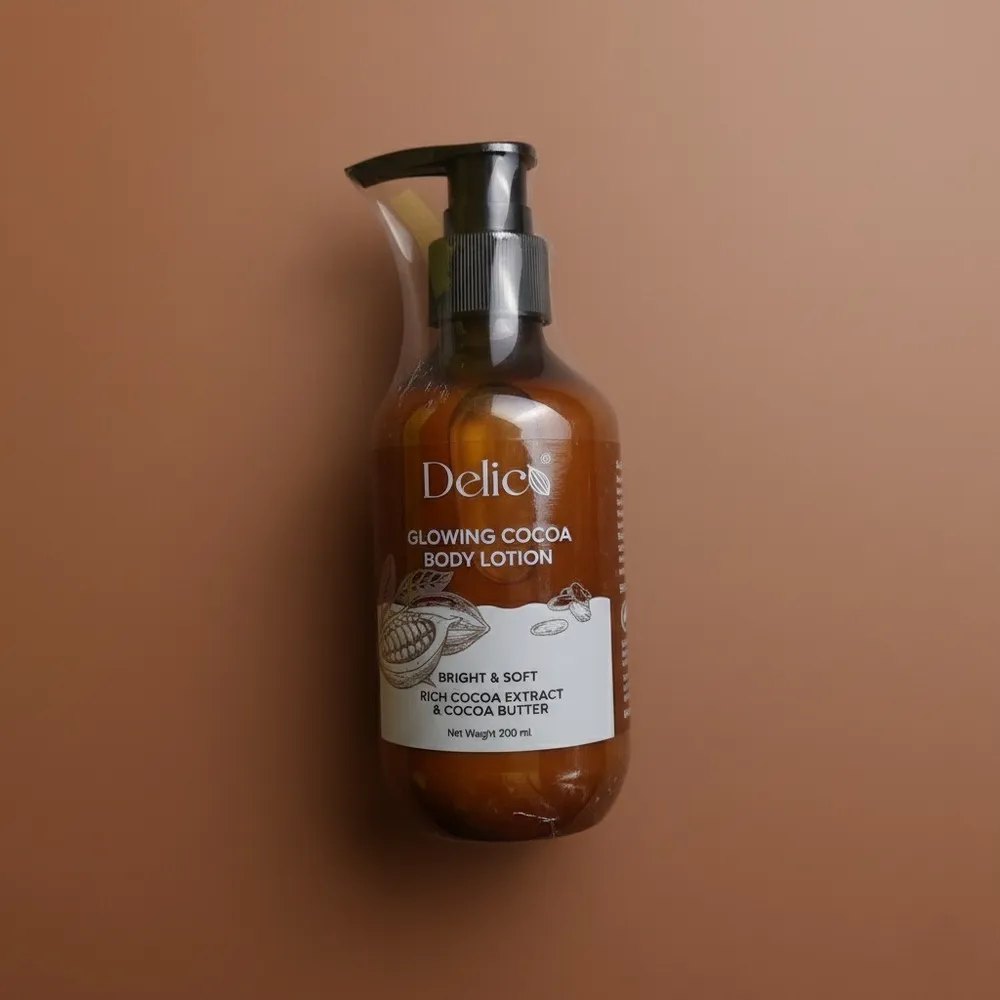
- Body butter and lotion — a key hydrating ingredient in premium moisturisers
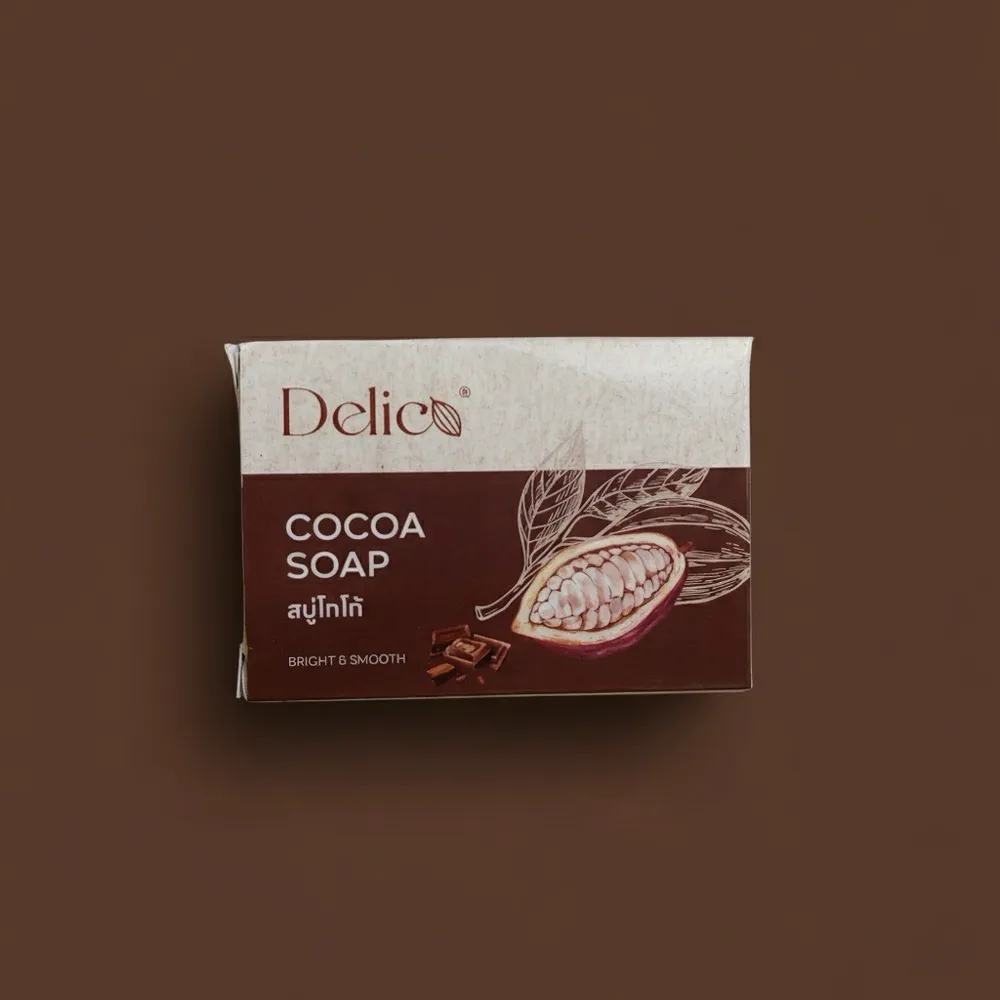
- Solid body butter bars — concentrated cacao butter you apply directly to skin
- Natural sunscreen — blended with coconut oil and shea butter in organic formulas
- Scar treatment — the skin-regenerating properties help fade marks over time
Big names like Lush, The Body Shop, and Kiehl's have all leaned into it. Now smaller, ethical producers are taking it further.
The Zero-Waste Angle
Ethical cacao producers — especially in the Thai craft chocolate community — are working to use every single part of the cacao bean:
- Cacao pulp → fermented into drinks or used in processing
- Cacao husk → brewed into tea (see our Cacao Tea post)
- Cacao butter → cooking, chocolate making, and skincare
- Cacao shells → composted or turned into eco-packaging
When you buy products made with ethically sourced cacao butter, you're supporting farmers who are paid fairly, farming practices that protect the land, and a supply chain that wastes almost nothing.

Sustainability & Ethical Sourcing of Cacao Butter
Cacao butter, the essential fat derived from cacao beans, is a key ingredient in both the chocolate and cosmetic industries. However, the sourcing of cacao butter presents ethical and sustainability challenges that must be addressed to ensure a fair and environmentally responsible supply chain.
Sustainable cacao farming prioritizes biodiversity, soil health, and water conservation. Traditional cacao farming often leads to deforestation, but ethical sourcing focuses on agroforestry practices that allow cacao trees to grow alongside native plants, preserving ecosystems. Additionally, supporting smallholder farmers is critical—most cacao farmers operate on small-scale farms and often struggle with fair wages. Ethical sourcing initiatives, such as direct trade and fair-trade certifications, ensure farmers receive equitable compensation, which improves their quality of life and promotes long-term sustainability.
Beyond fair wages, sustainable cacao butter production also involves reducing waste and utilizing every part of the cacao bean. The zero-waste philosophy transforms cacao shells into compost or eco-friendly packaging, while byproducts like cacao husks are repurposed into animal feed or natural dyes. By embracing sustainability, ethical cacao sourcing helps combat climate change, protects biodiversity, and supports farming communities.
Consumers play a vital role in this movement by choosing products that adhere to ethical and sustainable practices. When you purchase ethically sourced cacao butter, you are not only investing in high-quality ingredients but also contributing to a more just and sustainable global cacao industry.
New Things Being Made with Cacao Butter
The innovation here is genuinely exciting:
✨ Vegan cacao-based skincare — 100% plant-based serums and creams ✨ Edible lip balm — safe enough to eat, made with real white chocolate ingredients ✨ Cacao butter sunscreen — natural UV protection with a lovely scent ✨ Chocolate-scented perfume — uses real cacao butter for that warm, deep noter.


The Bottom Line
Cacao butter isn't just a chocolate ingredient. It's one of nature's most versatile natural fats — valuable to bakers, beloved by skincare formulators, and increasingly important to sustainable producers who want to use every part of what they grow.
Next time you smooth on a good lip balm or bite into a piece of white chocolate, you're experiencing the same ingredient doing two very different — and equally wonderful — jobs.
🌿 Explore our cacao products at Cacao Everywhere →